How to Prepare Your Toddler for Daycare: 7 Practical Tips
Published by Kiddie Childcare Center Team • 1504 Woodlawn Drive, Woodlawn, MD
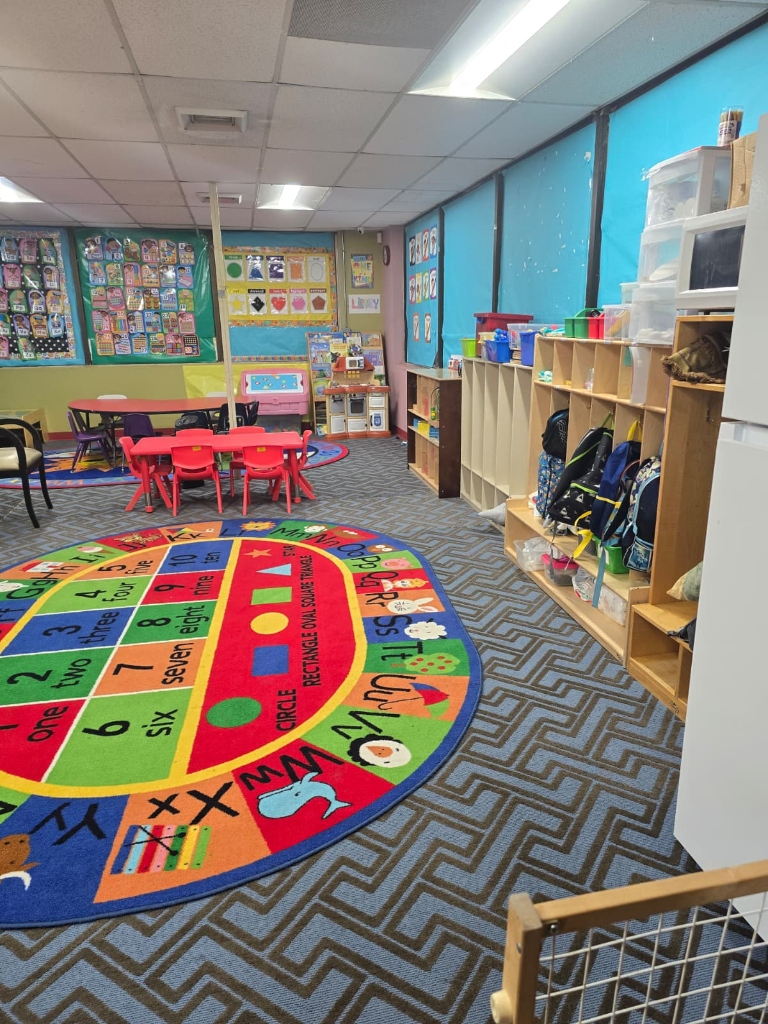
Sending your toddler to daycare for the first time is a significant emotional milestone for both children and parents. While toddlers possess boundless curiosity, transitioning into a new environment with unfamiliar teachers and peers can naturally trigger separation anxiety.
At Kiddie Childcare Center in Woodlawn, MD, our educators have helped hundreds of Baltimore County families navigate this transition seamlessly. Here are 7 actionable, expert-tested strategies to make your toddler's first days positive, tear-free, and full of excitement.
1. Visit the Center Together Before Day One
Unfamiliarity is the primary driver of anxiety in young children. Taking your toddler on a relaxed tour of their future classroom helps demystify the experience. Let them test the slide, sit on the alphabet circle rug, explore the toy blocks, and meet their lead teacher. When day one arrives, the classroom feels like a familiar play destination rather than an unknown world.
2. Understand the Play-Based Curriculum Benefits for 3-Year-Olds
Parents often wonder whether toddlers will be overwhelmed by academic structure. High-quality centers utilize an emergent, play-based curriculum. For toddlers and 3-year-olds, play is the natural vehicle for cognitive synthesis:
- Sensory tables (sand & water): Build scientific curiosity and fine motor coordination.
- Song circles & rhymes: Accelerate vocabulary explosion and phonetic awareness.
- Building blocks & puzzles: Cultivate spatial reasoning, patience, and problem solving.
💡 Teacher Pro Tip:
Talk about daycare using positive, active verbs! Instead of saying, "Mommy has to leave you at school," say, "You get to paint with colors and sing the dinosaur song with Ms. Amandeep today!"
3. Synchronize Nap & Meal Schedules at Home
Most licensed childcare centers in Maryland operate on a predictable schedule (lunch around 11:45 AM, followed by quiet naptime from 12:30 PM to 2:30 PM). Beginning two weeks before enrollment, align your child's home nap and snack times with the center's rhythm. A well-rested toddler adapts to social stimulation much more smoothly.
4. Practice a Short, Loving Goodbye Ritual
Prolonged or hesitant goodbyes communicate parental worry to your toddler. Establish a quick 30-second goodbye routine: a warm hug, a secret handshake, and a reassuring promise of return (e.g., "I will see you right after afternoon snack!"). Never sneak away without saying goodbye, as this can heighten attachment anxiety.
5. Pack a Comfort Item & Labeled Essentials
Familiar scents and tactile objects provide emotional grounding during naptime. Be sure to pack:
- A favorite small plush toy or soft blanket for nap cot time.
- 2 to 3 complete changes of labeled clothing (shirts, pants, socks, underwear).
- Diapers, pull-ups, and wipes if your child is currently working through potty training.
- A spill-proof labeled water cup.
6. Partner Closely on Potty Training
If your child is in the middle of potty training, inform your teachers on day one. Consistent timing, vocabulary (e.g., "potty" vs "bathroom"), and positive celebration between home and daycare accelerate independence.
7. Stay Connected via Parent App Updates
Modern childcare centers eliminate guesswork with real-time digital communication. At Kiddie Childcare Center, we send photos, meal logs, and nap notifications straight to your phone throughout the day so you can see your little one smiling and making friends in real time!